

In the intricate and interconnected world of global trade, political changes wield immense influence over economic activities. From tariffs and trade agreements to sanctions and regulatory shifts, political decisions shape the landscape in which businesses operate. The impact of political changes on trade cannot be understated, as they can either facilitate economic growth and cooperation or create significant barriers and uncertainty. Reflecting on recent global events, it becomes clear that the relationship between politics and trade is more crucial than ever.
Political Stability and Economic Confidence
Political stability is a cornerstone of economic confidence. When governments are stable and policies predictable, businesses feel more secure in making long-term investments and strategic decisions. Conversely, political instability breeds uncertainty, discouraging investment and disrupting supply chains. For example, the political turmoil surrounding Brexit led to years of uncertainty for businesses operating between the UK and the EU. Companies had to navigate a shifting regulatory landscape, renegotiate trade agreements, and adapt to new customs procedures. Such uncertainty can stifle economic growth and deter international trade.
Trade Agreements and Economic Integration
Trade agreements are fundamental in shaping international trade. They facilitate the flow of goods and services by reducing tariffs, harmonizing regulations, and providing legal frameworks for dispute resolution. Political changes can either strengthen or weaken these agreements. The renegotiation of NAFTA into the United States-Mexico-Canada Agreement (USMCA) is a case in point. While the new agreement updated trade rules and aimed to address modern economic realities, the uncertainty during negotiations caused concerns among businesses reliant on North American trade. However, once implemented, such agreements can enhance economic integration and boost trade among member countries.
Protectionism vs. Free Trade
The rise of protectionist policies poses a significant challenge to global trade. Governments may impose tariffs, quotas, and other trade barriers to protect domestic industries from foreign competition. While these measures might benefit specific sectors in the short term, they often lead to retaliation, trade wars, and increased costs for consumers and businesses. The trade tensions between the United States and China exemplify this dynamic. The imposition of tariffs on hundreds of billions of dollars’ worth of goods disrupted supply chains, increased production costs, and created market volatility. Such protectionist measures can stifle innovation, reduce market efficiencies, and ultimately harm global economic growth.
Geopolitical Tensions and Trade Disruptions
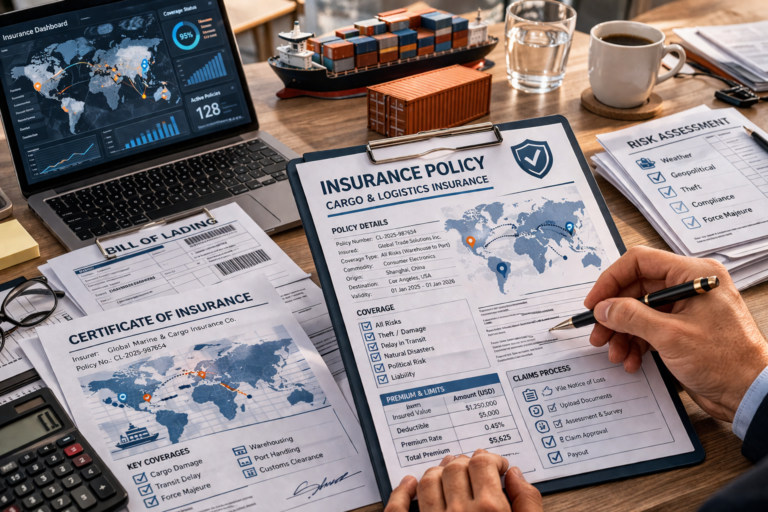
Geopolitical tensions can have profound implications for global trade. Conflicts, sanctions, and diplomatic standoffs can disrupt supply chains, restrict market access, and increase the risk of doing business in certain regions. The sanctions imposed on Russia following its actions in Ukraine affected numerous industries and led to significant shifts in trade patterns. Businesses had to find alternative suppliers, reroute logistics, and manage compliance with complex international sanctions. Such geopolitical developments underscore the vulnerability of global trade to political conflicts and the importance of risk management in international business strategies.
Regulatory Changes and Compliance
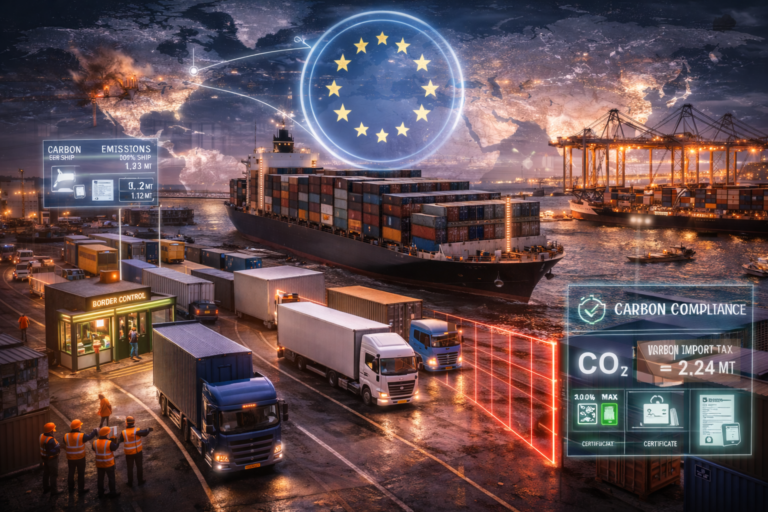
Political changes often bring about regulatory shifts that impact international trade. Changes in environmental regulations, labor laws, and product standards require businesses to adapt their operations to remain compliant. While these regulations can promote sustainability and social responsibility, they can also increase operational costs and create trade barriers. For instance, the European Union’s stringent environmental regulations necessitate that exporters to the EU comply with high standards, which can be challenging for businesses from regions with less rigorous regulations. Adapting to these changes requires significant investment in compliance infrastructure and ongoing monitoring of regulatory developments.
Opportunities in Political Change
While political changes can present challenges, they also create opportunities. Political reforms, new trade agreements, and shifts toward more open markets can spur economic growth and open new avenues for trade. For example, the African Continental Free Trade Area (AfCFTA) aims to create a single market for goods and services across Africa, enhancing intra-African trade and economic integration. Such initiatives can attract investment, boost industrialization, and drive sustainable development. Businesses that proactively engage with these opportunities can gain a competitive edge and contribute to broader economic progress.
The impact of political changes on trade is profound and multifaceted. Political stability, trade agreements, protectionism, geopolitical tensions, regulatory shifts, and opportunities all play critical roles in shaping the global trade landscape. While political changes can create uncertainty and challenges, they also present opportunities for growth and innovation. Businesses must remain agile and informed, adapting their strategies to navigate the evolving political environment. By understanding and anticipating political developments, companies can mitigate risks, seize opportunities, and contribute to a more resilient and dynamic global economy. In a world where politics and trade are inextricably linked, the ability to navigate political changes is a key determinant of business success.