
Key Points
- The EU’s Carbon Border Adjustment Mechanism (CBAM) has shifted from learning to enforcement readiness
- Emissions data quality is now being reviewed, challenged, and logged by authorities
- Logistics documentation has become part of the regulatory compliance chain

For the past two years, the European Union’s Carbon Border Adjustment Mechanism (CBAM) has been widely described as being in a “transitional” phase. Importers reported emissions, regulators observed data flows, and no direct financial penalties were imposed. That framing is now outdated.
As of April 2026, CBAM has entered a data enforcement phase. While certificate purchases will not begin until 2027, EU authorities are actively reviewing, validating, and benchmarking emissions data submitted during the transitional period. Errors are being flagged, methodologies questioned, and importer risk profiles established.
For logistics and global trade professionals, this marks a critical shift. CBAM is no longer a sustainability reporting exercise. It is becoming an operational compliance regime embedded in customs processes, with direct implications for documentation accuracy, supplier coordination, and trade flows.
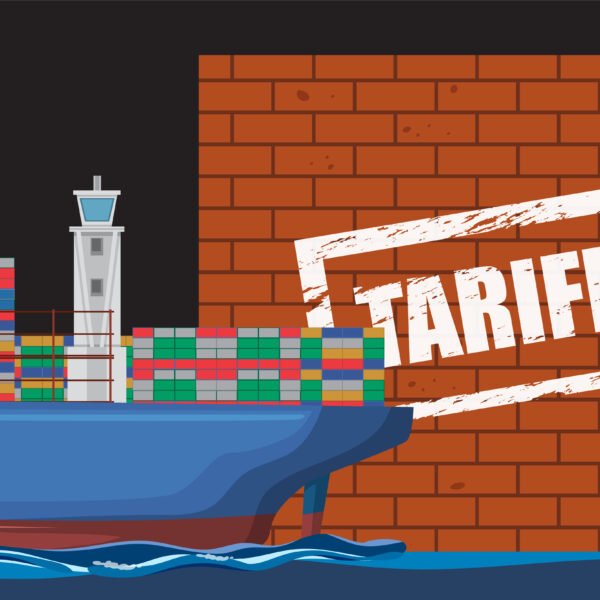



From Transitional Reporting to Enforcement Readiness
CBAM formally enters its definitive regime for imports made from 1 January 2026, following the end of the transitional phase that ran from October 2023 through December 2025 (European Commission, 2026). While CBAM certificates will only be sold and surrendered beginning in 2027, the emissions embedded in 2026 imports already create future financial liability. [taxation-c….europa.eu]
This timing matters. The European Commission has made clear that data collected during 2026 will be used to:
- Validate calculation methodologies
- Identify discrepancies across importers and products
- Establish baselines for future enforcement
In effect, 2026 is the year in which compliance credibility is being established.
Why Data Accuracy Is Now the Core Risk
During the early transitional period, importers were permitted to rely on default emissions values or simplified methodologies. That flexibility has narrowed significantly. Under the definitive CBAM framework, emissions data must increasingly be based on verified, supplier‑specific information aligned with EU ETS monitoring standards (European Commission, 2026). [taxation-c….europa.eu]
Authorities are now comparing reported emissions across:
- Similar products
- Comparable origins
- Identical customs classifications
Outliers are not ignored, they are flagged.
Importantly, there is no mechanism to retroactively “fix” poor data once enforcement tightens. Errors made today can translate into higher certificate obligations, audits, or penalties in future years.
Logistics Data Is Now Regulatory Data
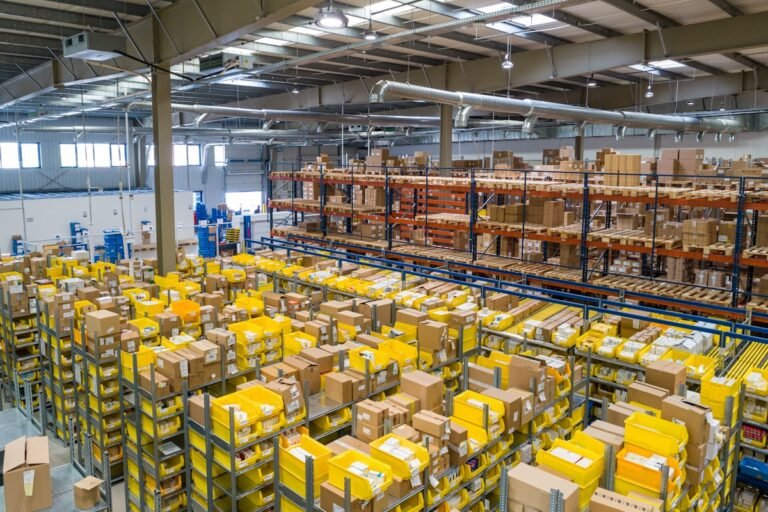
One of the most underappreciated aspects of CBAM is the role of logistics documentation. CBAM declarations rely on information that sits at the intersection of sustainability, customs, and logistics, including:
- Product origin and routing
- Shipment quantities and weights
- Customs declarations and tariff codes
- Transport documentation used to verify import events
Discrepancies between logistics systems and CBAM submissions are increasingly visible to regulators. If the declared emissions profile does not align with the physical flow of goods, questions follow.
This places logistics teams squarely within the compliance perimeter, even if they are not directly responsible for CBAM filings.
Uneven Readiness Across Supply Chains
CBAM readiness varies widely. Large multinationals with integrated ESG, customs, and logistics systems are generally better positioned. Smaller importers, intermediaries, and non‑EU suppliers often struggle to provide verified emissions data in the required format.
This creates a compliance fragility problem. An EU importer may be technically compliant, but still exposed if upstream suppliers cannot deliver defensible data. In such cases, default values may apply, often resulting in higher reported emissions and future costs.
The weakest link in the supply chain increasingly determines CBAM exposure.
Amazon’s Supply Chain Power Play: What ASCS Means for 3PLs, Carriers, and Shippers
On May 4, 2026, Amazon made a move that sent shockwaves through freight terminals, carrier boardrooms, and logistics investor portfolios simultaneously. The e-commerce giant formally launched Amazon Supply Chain Services (ASCS) — opening its vast internal logistics network to any…
China Tests the U.S. Hormuz Blockade And Global Trade Is Watching Closely
In the early hours of April 15, a U.S.-sanctioned Chinese tanker exited the Persian Gulf through the Strait of Hormuz, becoming the first commercial vessel to do so since the United States began enforcing a naval blockade on Iranian ports…

The U.S. Tariff Review Cycle Is Quietly Re‑Opening Supply Chain Risk
For much of the past two years, U.S. tariff policy faded into the background of supply‑chain planning. While tariffs remained in place, they were largely treated as a static cost rather than a dynamic variable. That period of relative stability…

Cargo Insurance Is Being Rewritten by Geopolitical Risk
For decades, cargo insurance functioned as a largely invisible component of global logistics. Premiums were predictable, coverage was broadly available, and insurance considerations rarely influenced routing or scheduling decisions. In 2026, that model has broken down. Escalating geopolitical risk, particularly…

U.S. Port Labor Risk Is Re‑Entering the Planning Horizon
Port labor disruptions tend to announce themselves loudly, through strike deadlines, shutdowns, and political intervention. The current risk environment is different. In April 2026, labor issues at major U.S. ports are resurfacing quietly, without a single dramatic flashpoint, and that…
CBAM Is Becoming a Trade Filter
As CBAM enforcement tightens, it is beginning to function as a trade filter, not just a pricing mechanism. Importers may reassess suppliers based on:
- Data reliability
- Willingness to engage in emissions verification
- Ability to support ongoing reporting
Over time, this could reshape sourcing patterns, particularly in carbon‑intensive sectors such as steel, aluminum, cement, fertilizers, electricity, and hydrogen.
CBAM compliance is therefore not just a regulatory issue—it is a strategic sourcing consideration.
Industry Implications
For logistics and global trade professionals, CBAM’s shift into enforcement readiness carries several concrete implications:
- Logistics documentation accuracy now affects regulatory exposure
- Data governance must span ESG, customs, and logistics teams
- Supplier engagement becomes essential to compliance
- EU‑bound trade faces rising administrative and operational cost
Treating CBAM as a sustainability issue alone is no longer sufficient.
CBAM enforcement will continue to tighten through 2026 and beyond. While certificate payments are delayed until 2027, the groundwork for enforcement is being laid now through data validation and risk profiling.
Organizations that invest in accurate data collection, cross‑functional coordination, and supplier engagement during 2026 will be far better positioned than those waiting for financial obligations to begin. In CBAM, the cost of poor preparation will be paid later—but it is already being calculated.reat the transitional phase casually risk future disruption. Compliance readiness is now a logistics issue, not just a sustainability one.
European Commission. (2026). Carbon Border Adjustment Mechanism (CBAM) – Definitive regime guidance. https://taxation-customs.ec.europa.eu/carbon-border-adjustment-mechanism_en [taxation-c….europa.eu]
EY. (2025). European Commission publishes provisional implementing acts regarding CBAM. https://taxnews.ey.com [taxnews.ey.com]
International Carbon Action Partnership. (2025). EU adopts simplifications of CBAM rules ahead of compliance phase. https://icapcarbonaction.com [icapcarbonaction.com]