

Amazon’s Supply Chain Power Play: What ASCS Means for 3PLs, Carriers, and Shippers
On May 4, 2026, Amazon made a move that sent shockwaves through freight terminals, carrier boardrooms, and logistics investor portfolios simultaneously. The e-commerce giant formally launched Amazon Supply Chain Services (ASCS) — opening its vast internal logistics network to any…
China Tests the U.S. Hormuz Blockade And Global Trade Is Watching Closely
In the early hours of April 15, a U.S.-sanctioned Chinese tanker exited the Persian Gulf through the Strait of Hormuz, becoming the first commercial vessel to do so since the United States began enforcing a naval blockade on Iranian ports…

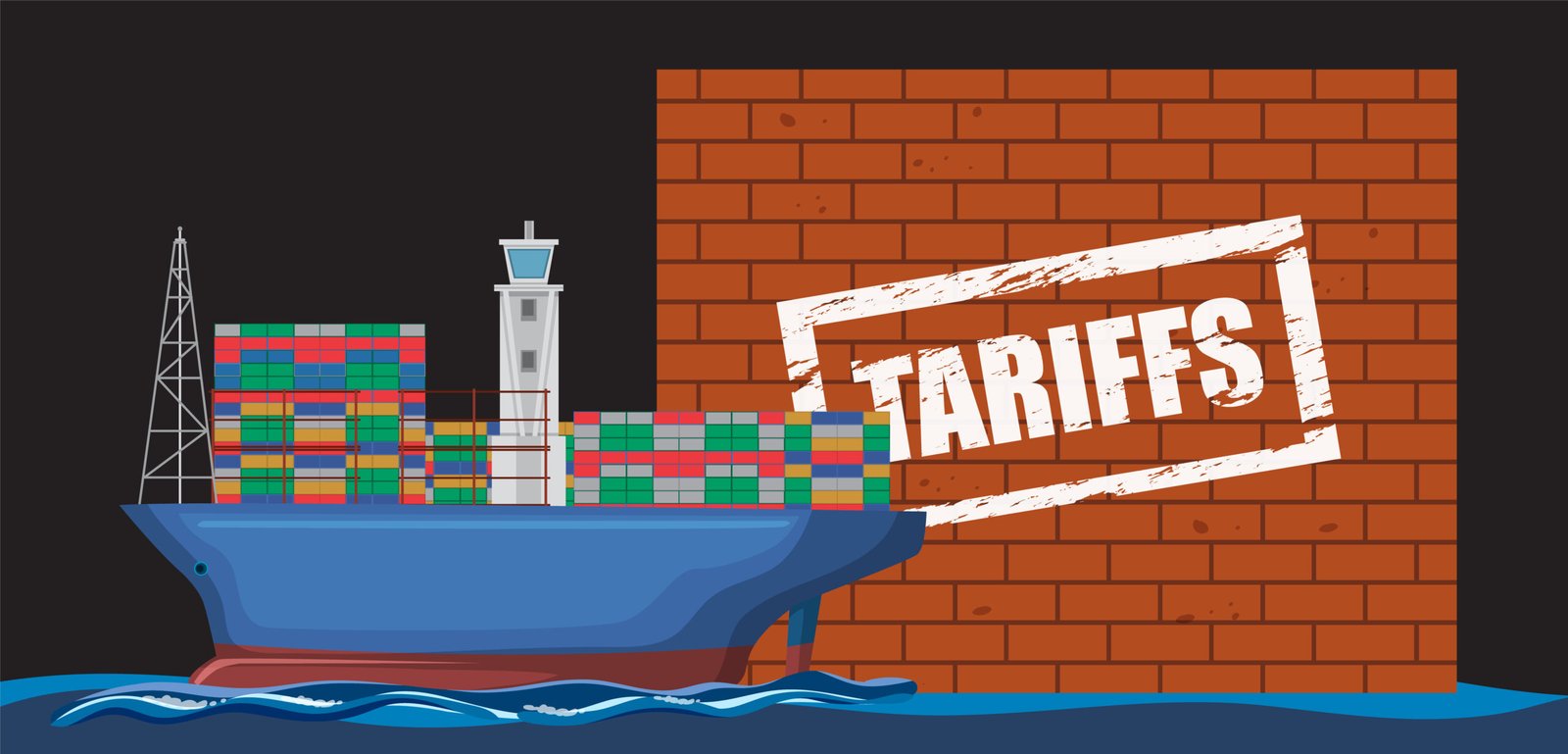
The U.S. Tariff Review Cycle Is Quietly Re‑Opening Supply Chain Risk
For much of the past two years, U.S. tariff policy faded into the background of supply‑chain planning. While tariffs remained in place, they were largely treated as a static cost rather than a dynamic variable. That period of relative stability…

Cargo Insurance Is Being Rewritten by Geopolitical Risk
For decades, cargo insurance functioned as a largely invisible component of global logistics. Premiums were predictable, coverage was broadly available, and insurance considerations rarely influenced routing or scheduling decisions. In 2026, that model has broken down. Escalating geopolitical risk, particularly…

CBAM Has Entered Its Data Enforcement Phase and Logistics Is Exposed
For the past two years, the European Union’s Carbon Border Adjustment Mechanism (CBAM) has been widely described as being in a “transitional” phase. Importers reported emissions, regulators observed data flows, and no direct financial penalties were imposed. That framing is…