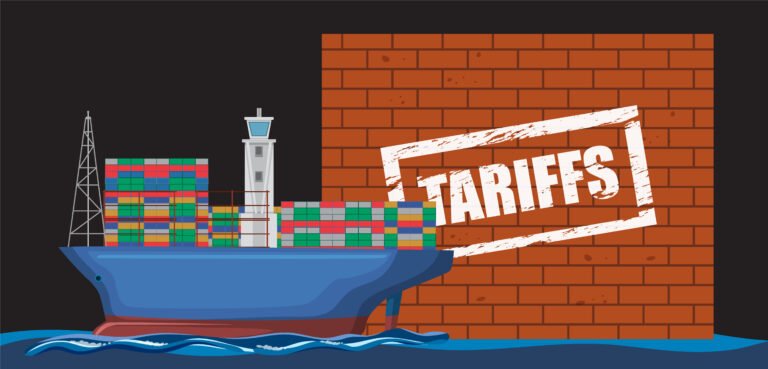


The landscape of global trade is continually evolving, with regulatory changes playing a pivotal role in shaping the way businesses operate across borders. In 2024, several significant regulatory shifts are influencing international trade, impacting everything from customs procedures to environmental standards. Understanding these changes is essential for businesses to navigate the complexities of global commerce effectively. This article explores the key regulatory changes shaping global trade and their implications for businesses.
Evolving Customs Regulations
Customs regulations are a critical component of international trade, governing the movement of goods across borders. In 2024, several countries have introduced new customs regulations aimed at streamlining processes and enhancing security. One of the key trends is the adoption of digital customs procedures. Many countries are transitioning to electronic documentation and automated systems to expedite the clearance of goods. This shift reduces the time and cost associated with traditional paper-based processes. Businesses that embrace these digital solutions can benefit from faster clearance times and reduced administrative burdens.
Additionally, some countries are implementing advanced cargo information requirements. These regulations mandate businesses to provide detailed information about their shipments before arrival, allowing customs authorities to conduct risk assessments and facilitate smoother processing. Adapting to these requirements involves updating supply chain practices and ensuring accurate data submission to comply with the new standards.
Environmental Regulations and Sustainability
As global awareness of environmental issues grows, regulatory changes are increasingly focusing on sustainability. Governments worldwide are introducing stricter environmental regulations to reduce carbon emissions, promote sustainable practices, and protect natural resources. One notable development is the implementation of Carbon Border Adjustment Mechanisms (CBAMs). Regions such as the European Union are adopting CBAMs to address carbon leakage and encourage sustainable production. These mechanisms impose tariffs on imported goods based on their carbon footprint, incentivizing businesses to adopt greener practices. Companies must assess their carbon emissions and invest in sustainable technologies to comply with these regulations.
Sustainable packaging requirements are also becoming more stringent. Regulatory bodies are enforcing guidelines on packaging materials to reduce plastic waste and promote recyclability. Businesses need to transition to eco-friendly packaging solutions and comply with labeling requirements that highlight sustainable practices. This shift not only meets regulatory standards but also appeals to environmentally conscious consumers, enhancing brand reputation.
Trade Facilitation Measures
Trade facilitation measures are designed to simplify and harmonize international trade procedures, reducing barriers and enhancing efficiency. In 2024, several initiatives are being implemented to streamline trade processes. One such initiative is the adoption of Single Window Systems. These systems allow businesses to submit all necessary documentation through a single portal, reducing redundancy and improving coordination between various regulatory agencies. This approach simplifies the trade process, reduces delays, and enhances transparency. Businesses should integrate their operations with these systems to ensure seamless compliance and benefit from the streamlined procedures.
Mutual Recognition Agreements (MRAs) are another important development in trade facilitation. MRAs between countries facilitate the mutual acceptance of conformity assessments, reducing the need for duplicate testing and certification. These agreements streamline market access for businesses, particularly in industries such as pharmaceuticals, electronics, and automotive. Understanding and leveraging MRAs can significantly reduce compliance costs and time-to-market, allowing businesses to expand their reach more efficiently.
Data Privacy and Security Regulations
The digitalization of trade has brought data privacy and security to the forefront of regulatory changes. Governments are enacting stricter data protection laws to safeguard consumer information and ensure secure digital transactions. The European Union’s General Data Protection Regulation (GDPR) continues to influence global data protection standards. Businesses engaged in international trade must comply with GDPR requirements, including data consent, breach notification, and data subject rights. Ensuring GDPR compliance involves implementing robust data protection policies and procedures to safeguard customer information and avoid hefty penalties.
To combat the rising threat of cyberattacks, countries are introducing stringent cybersecurity regulations. These regulations mandate the implementation of security measures, regular audits, and incident response plans. Businesses must invest in cybersecurity infrastructure to protect sensitive trade data and comply with these standards. Implementing comprehensive cybersecurity strategies not only ensures regulatory compliance but also builds customer trust and protects business operations from potential threats.
Sector-Specific Regulations
Certain industries face unique regulatory challenges that shape their trade activities. For instance, the pharmaceutical industry is subject to rigorous regulatory requirements, including Good Manufacturing Practices (GMP) and stringent quality control standards. Businesses in this sector must ensure compliance with these regulations to maintain market access and avoid penalties. Similarly, agricultural products and food items are governed by strict safety and quality standards. Regulatory bodies enforce measures to prevent contamination, ensure traceability, and protect consumer health. Compliance with these standards is essential for businesses to maintain consumer trust and meet export requirements.
Regulatory changes in 2024 are profoundly shaping the landscape of global trade. From evolving customs regulations and environmental standards to trade facilitation measures and data privacy laws, businesses must navigate a complex web of requirements to succeed in the international market. Staying informed about these changes, investing in compliance infrastructure, and adopting sustainable and secure practices will enable businesses to thrive in this dynamic environment. By proactively adapting to regulatory shifts, companies can not only mitigate risks but also seize new opportunities in the ever-evolving world of global trade.