
Key Points
- Water levels and transit volumes have recovered from drought‑era lows.
- Scheduled maintenance and booking constraints continue to disrupt planning.
- Canal access remains predictable but not frictionless.
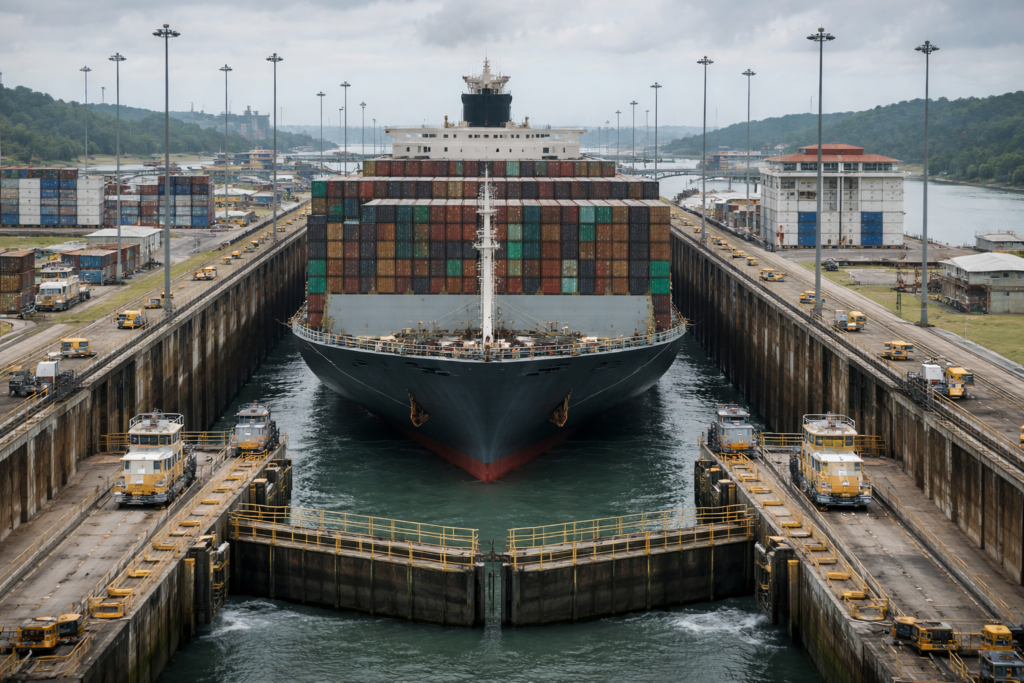
The Panama Canal has largely recovered from the severe drought disruptions of 2023–2024, but 2026 is proving that “operational” does not mean “risk‑free.” Recent advisories show how maintenance outages and reservation mechanics can still affect global routing decisions (Panama Canal Authority, 2026).
Maintenance and Slot Constraints
In April 2026, scheduled maintenance at Gatun Locks temporarily reduced available Panamax booking slots, forcing operators into auctions or alternative routings (Panama Canal Authority, 2026). Such short‑term constraints can have outsized downstream effects.
Structural Changes in Booking Systems
The Canal’s evolving reservation framework prioritizes long‑term slots and environmentally efficient vessels, raising barriers for spot or tramp operators (Maritime Matters Today, 2026).



Why This Matters for U.S. Trade
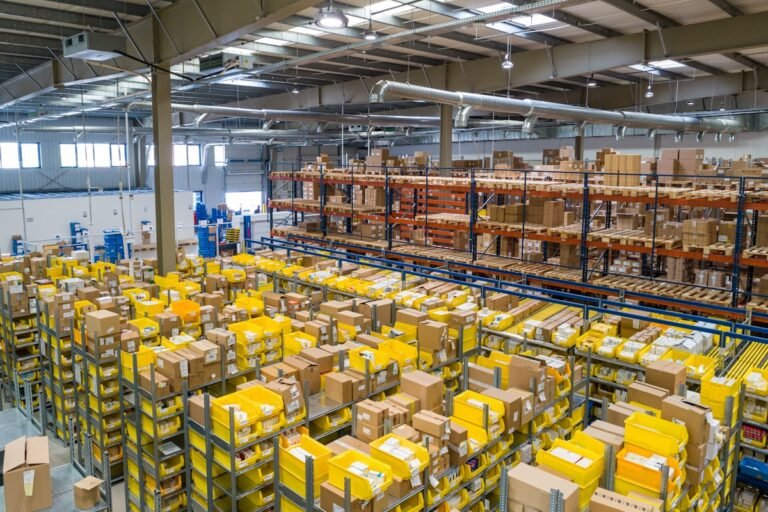
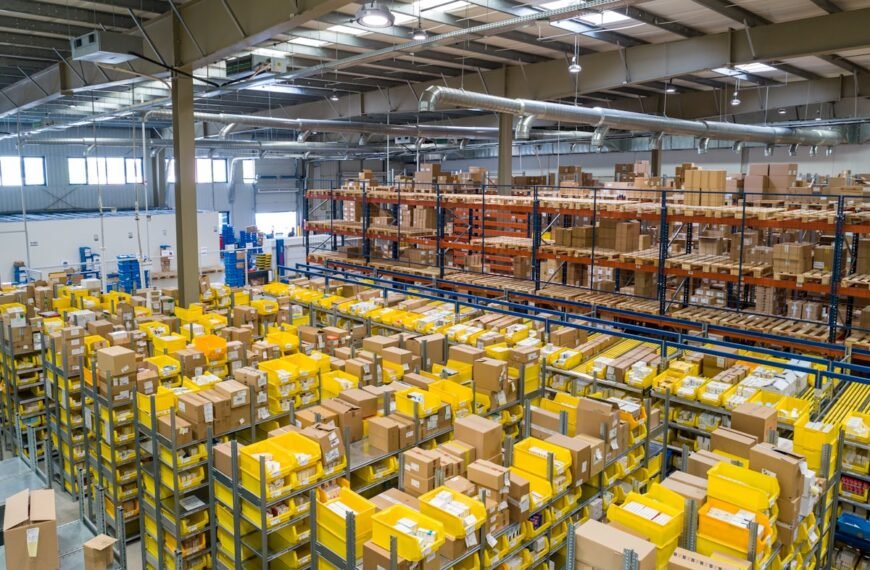
The Canal still handles roughly 40% of U.S. container traffic. Even minor disruptions can cascade into inland congestion, inventory imbalance, and higher intermodal costs.
Industry Implications
- Carriers must secure bookings earlier and diversify routing.
- Shippers should price alternate lanes proactively.
- Forwarders need contingency playbooks for short‑notice disruptions.
The Panama Canal is no longer in crisis but it remains capacity‑disciplined. Planning reliability now depends less on water levels and more on regulatory mechanics and timing discipline.
Panama Canal Authority. (2026). Advisory to Shipping No. A‑06‑2026.
Maritime Matters Today. (2026). Panama Canal 2026: What Shippers Need to Know.