
Key Points
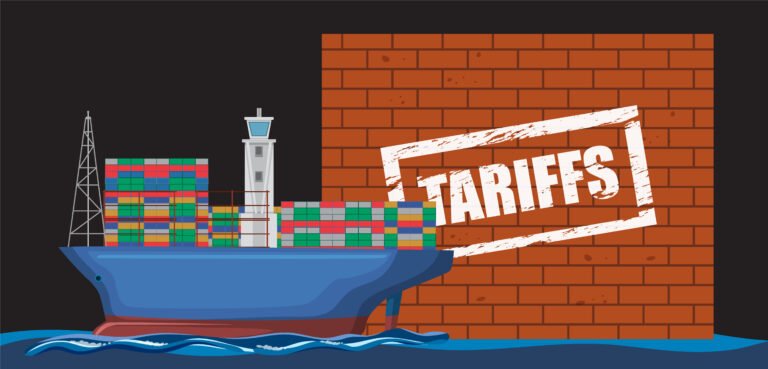
- Port labor negotiations are resurfacing at major U.S. gateways
- Automation remains the central fault line
- Even limited disruptions carry outsized network impact
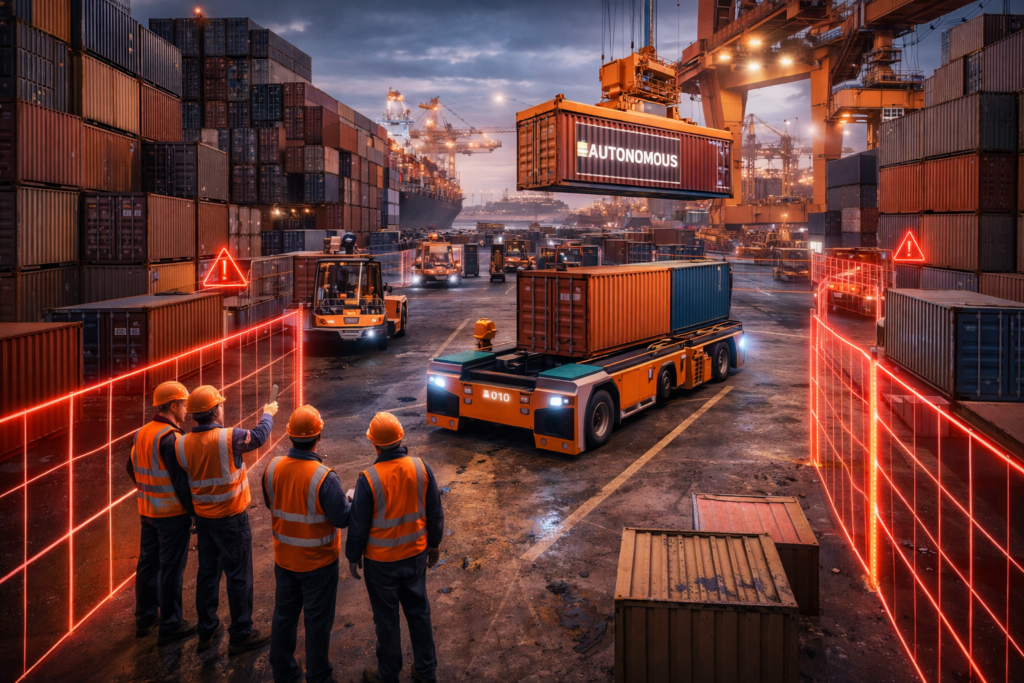
Port labor disruptions tend to announce themselves loudly, through strike deadlines, shutdowns, and political intervention. The current risk environment is different. In April 2026, labor issues at major U.S. ports are resurfacing quietly, without a single dramatic flashpoint, and that is precisely what makes them dangerous.
Across multiple U.S. gateways, negotiations, arbitration outcomes, and automation‑related disputes are re‑introducing uncertainty into port operations. No nationwide strike is imminent. Cargo is moving. Vessels are berthing. Yet beneath the surface, unresolved tensions are re‑entering the risk map for logistics planners.
For supply‑chain professionals, this moment matters because modern port networks operate with almost no slack. Even minor disruptions; slowdowns, work‑rule disputes, or staffing imbalances—can cascade quickly through inland networks, amplifying costs far beyond the port gates.
Why Port Labor Risk Persists Without Strikes
The absence of strike action does not equate to stability. U.S. ports are complex systems where productivity depends on finely balanced labor coordination. A modest decline in crane moves per hour, a staffing mismatch on a single shift, or a temporary procedural dispute can create congestion that takes weeks to unwind.
According to the Journal of Commerce, labor‑related issues tied to automation approvals, absenteeism policies, and jurisdictional disputes continue to affect terminal productivity across several major ports in 2026, even under active labor agreements. [joc.com]
The risk, therefore, is not binary. It is cumulative.



Automation Remains the Central Fault Line
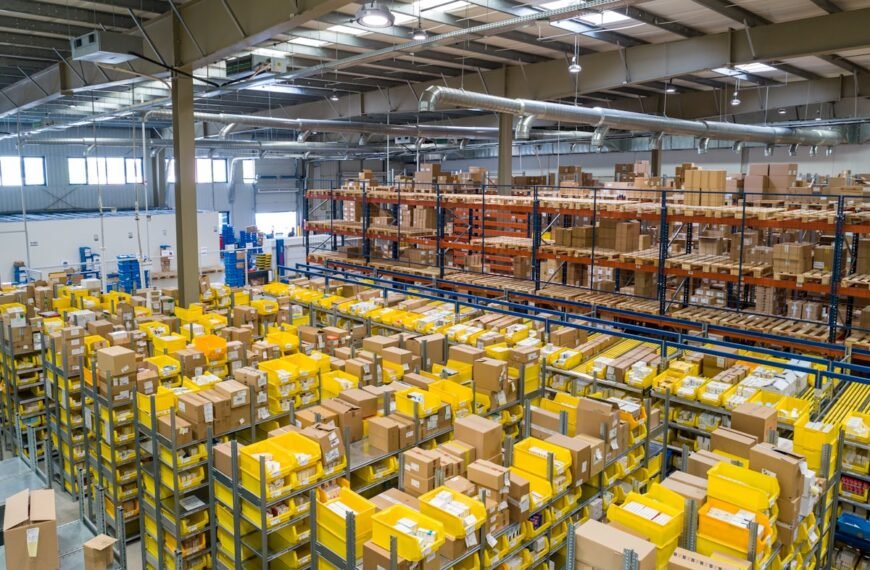
Automation is not a new issue in U.S. port labor relations, but it remains the most persistent and unresolved one. Terminal operators argue that semi‑automated and automated equipment is necessary to improve throughput, reduce vessel dwell time, and compete with highly automated ports in Asia and parts of Europe.
Labor unions, particularly the International Longshoremen’s Association (ILA), continue to view automation as an existential threat to job security and bargaining power. While recent agreements have introduced protective language, they have not eliminated tension around how far automation can expand in practice.
As the Journal of Commerce reported in April 2026, terminals in Southern California and on the East Coast face growing difficulty securing approvals for automation projects, even where contractual rights exist. [joc.com]
This creates a structural impasse: productivity improvements are constrained, while labor expectations continue to rise.
Productivity Sensitivity in Modern Port Operations
Modern ports are optimized for efficiency, not resilience. Vessel schedules, chassis pools, drayage capacity, and inland rail connections are synchronized around assumed throughput levels. When labor productivity slips, even slightly, the system absorbs the shock poorly.
Examples of second‑order effects include:
- Vessel bunching that disrupts berth windows
- Chassis shortages caused by delayed container evacuation
- Rail dwell increases that ripple inland
- Drayage appointment congestion that spills into local road networks
These impacts often exceed the duration of the original disruption.
Why 2026 Is a Particularly Fragile Moment
Several factors make current port labor risk more consequential than in previous cycles:
- Higher Baseline Volumes: While freight markets have softened in some lanes, overall port throughput remains historically elevated.
- Labor Tightness: Skilled port labor is not easily substituted, and absenteeism policies are under scrutiny at several ports.
- Automation Backlog: Deferred modernization projects increase pressure on existing labor arrangements.
- Limited Network Slack: Inland logistics systems remain constrained by labor and equipment availability.
This combination leaves little margin for error.
Carrier and Shipper Behavior Is Already Shifting
Even without public disruption, some carriers and large shippers are quietly adjusting. These adjustments include:
- Pre‑emptive diversions to alternate ports
- Increased use of inland ports and transload facilities
- Extended free‑time negotiations to manage dwell risk
Such moves reflect anticipation rather than reaction and they themselves can create congestion if widely adopted.
Industry Implications
For logistics and global trade professionals, the re‑emergence of port labor risk carries several practical implications:
- Contingency routing plans should be reviewed and updated proactively
- Inventory buffers near key gateways may require reassessment
- Service‑level agreements should be stress‑tested against port delays
- Communication channels with terminal operators and carriers are critical
Assuming uninterrupted port operations is no longer a conservative position.
Port labor risk is unlikely to disappear in the near term. Automation debates are structural, not cyclical, and will continue to surface as ports attempt to modernize while preserving employment stability.
In 2026, the greatest risk is not a headline‑grabbing strike, but a series of small, compounding disruptions that erode reliability over time. Supply chains that recognize this and plan accordingly will be better positioned than those waiting for a clear signal that may never come.
Journal of Commerce. (2026). Longshore labor and port productivity challenges. https://www.joc.com/maritime/port-news/longshore-labor