

The Internet of Things (IoT) is rapidly transforming supply chains across the globe. By connecting physical devices to the internet, IoT enables real-time data collection and analysis, providing unprecedented visibility and control over supply chain operations. This technological revolution is reshaping how businesses manage logistics, inventory, and overall supply chain efficiency. Here’s a look at how IoT is revolutionizing supply chains.
Enhancing Real-Time Visibility
One of the most significant impacts of IoT on supply chains is the enhanced real-time visibility it provides. IoT devices, such as GPS trackers and RFID tags, allow businesses to monitor the location and condition of goods throughout the entire supply chain. This real-time tracking helps companies ensure that products are delivered on time and in optimal condition, reducing the risk of delays and damage. Enhanced visibility also allows for better coordination among various stakeholders, improving overall supply chain efficiency.
Improving Inventory Management
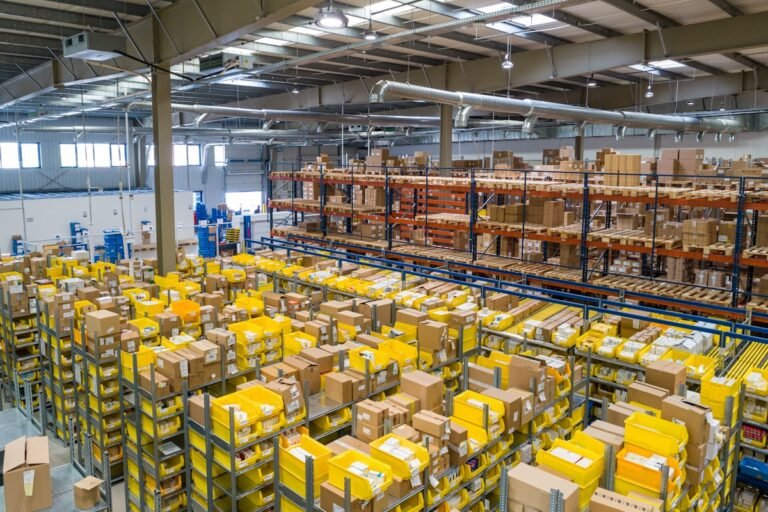
IoT technology is revolutionizing inventory management by providing accurate, real-time data on stock levels. Smart shelves and RFID sensors can automatically track inventory as it moves through warehouses and stores, reducing the need for manual stock checks. This real-time information allows businesses to maintain optimal inventory levels, minimizing stockouts and overstock situations. Improved inventory accuracy also enables more efficient order fulfillment and reduces carrying costs, ultimately enhancing customer satisfaction.
Optimizing Logistics and Transportation
IoT is playing a crucial role in optimizing logistics and transportation. Connected sensors and devices can monitor various aspects of transportation, such as vehicle location, fuel consumption, and driver behavior. This data allows logistics managers to optimize routes, reduce fuel consumption, and improve delivery times. Additionally, IoT can help predict maintenance needs for transportation vehicles, reducing downtime and extending the lifespan of assets. By leveraging IoT, businesses can achieve greater efficiency and cost savings in their logistics operations.
Enhancing Predictive Maintenance
Predictive maintenance is another area where IoT is making a significant impact. IoT sensors can continuously monitor the condition of machinery and equipment, collecting data on factors such as temperature, vibration, and wear. By analyzing this data, businesses can predict when equipment is likely to fail and schedule maintenance before a breakdown occurs. This proactive approach reduces unplanned downtime, extends the lifespan of assets, and lowers maintenance costs. Predictive maintenance enabled by IoT ensures that supply chain operations run smoothly and efficiently.
Strengthening Supply Chain Security
Security is a critical concern in supply chain management, and IoT technology is enhancing security measures. IoT devices can monitor and control access to warehouses, production facilities, and transportation vehicles, ensuring that only authorized personnel can access sensitive areas. Additionally, IoT sensors can detect and alert businesses to potential security breaches, such as tampering or theft, in real-time. Enhanced security measures protect valuable assets and sensitive information, reducing the risk of loss and enhancing overall supply chain integrity.
Facilitating Data-Driven Decision Making
IoT generates vast amounts of data that can be analyzed to gain valuable insights into supply chain operations. Advanced analytics and machine learning algorithms can process this data to identify patterns, trends, and anomalies, enabling businesses to make data-driven decisions. For example, IoT data can help optimize inventory levels, improve demand forecasting, and enhance production planning. By leveraging IoT-generated insights, businesses can increase operational efficiency, reduce costs, and improve responsiveness to market changes.
The Internet of Things is revolutionizing supply chains by enhancing real-time visibility, improving inventory management, optimizing logistics and transportation, enabling predictive maintenance, strengthening security, and facilitating data-driven decision-making. As IoT technology continues to evolve, its integration into supply chain operations will become increasingly essential for businesses looking to stay competitive. Embracing IoT not only drives efficiency and cost savings but also positions businesses to respond more effectively to the dynamic challenges of global trade. The future of supply chains is undeniably intertwined with the advancements in IoT, promising a more connected, efficient, and secure supply chain landscape.