
Artificial intelligence (AI) is revolutionizing modern supply chains, bringing unprecedented levels of efficiency, accuracy, and insight. As businesses strive to meet increasing consumer demands and navigate complex global markets, AI has become a crucial tool for enhancing supply chain management. Let’s delve into how AI is transforming supply chains and the significant benefits it offers.
Enhancing Demand Forecasting
One of the most impactful applications of AI in supply chains is in demand forecasting. Traditional forecasting methods often struggle to account for the myriad of variables that can affect demand, leading to inaccuracies and inefficiencies. AI, with its ability to analyze vast amounts of data and identify patterns, offers a more precise approach. By incorporating data from various sources, including market trends, historical sales, and even social media activity, AI can generate highly accurate demand forecasts. This improved accuracy helps businesses maintain optimal inventory levels, reduce stockouts and overstock situations, and ultimately enhance customer satisfaction.
Optimizing Inventory Management
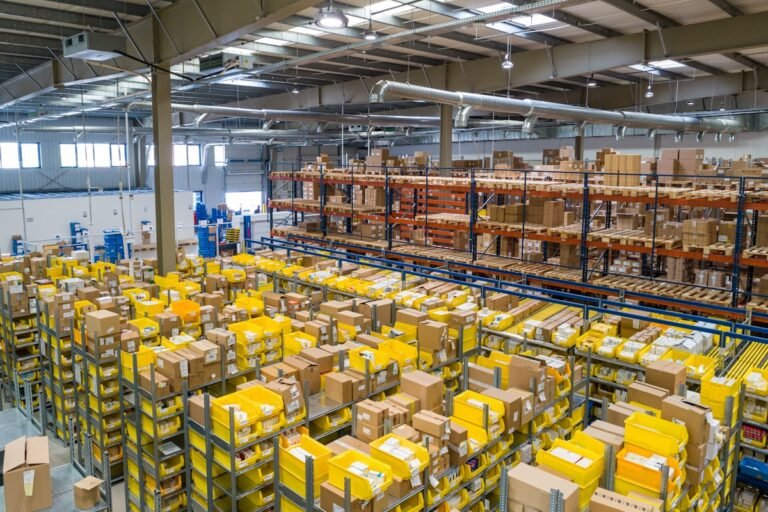
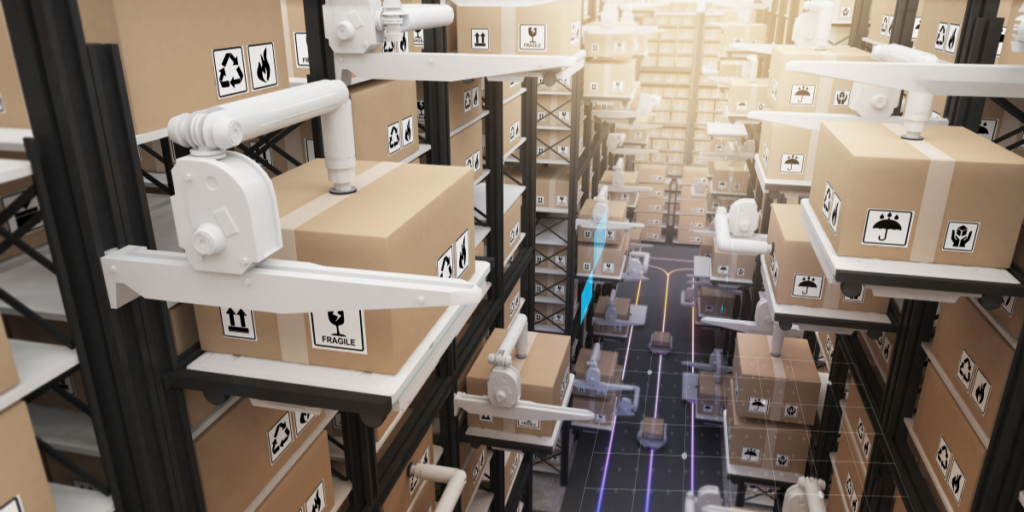
AI is also revolutionizing inventory management by providing real-time insights and predictive analytics. AI algorithms can continuously monitor inventory levels, predict when stock needs replenishing, and even suggest optimal order quantities. This dynamic approach allows businesses to respond quickly to changes in demand and avoid the pitfalls of traditional inventory management. Furthermore, AI can identify slow-moving items and suggest strategies to clear excess stock, such as promotions or discounts. By optimizing inventory, businesses can reduce holding costs, improve cash flow, and ensure that products are always available when customers need them.
Streamlining Logistics and Transportation
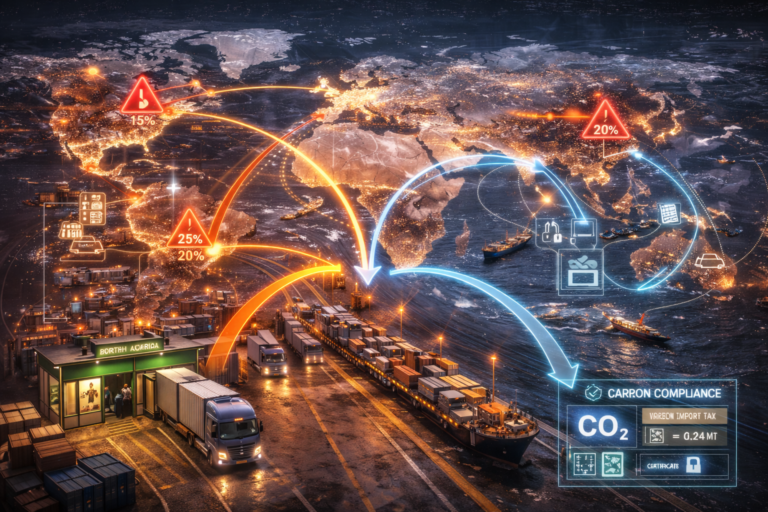
Logistics and transportation are critical components of any supply chain, and AI is making these processes more efficient and cost-effective. AI-powered route optimization tools can analyze traffic patterns, weather conditions, and other variables to determine the most efficient routes for delivery vehicles. This not only reduces transportation costs but also shortens delivery times, enhancing the overall customer experience. Additionally, AI can optimize load planning by determining the best way to pack goods to maximize space and minimize damage. These innovations lead to significant savings in fuel costs, labor, and time, making logistics operations more sustainable and efficient.
Improving Supplier Relationship Management
Managing relationships with suppliers is essential for a smooth-running supply chain, and AI is playing a pivotal role in this area as well. AI tools can analyze supplier performance data to identify potential risks and opportunities. By assessing factors such as delivery times, quality of goods, and reliability, AI can help businesses make informed decisions about which suppliers to partner with and how to negotiate better terms. Furthermore, AI can predict potential disruptions in the supply chain, such as delays or shortages, allowing businesses to proactively address these issues before they escalate. This proactive approach strengthens supplier relationships and ensures a more resilient supply chain.
Enhancing Customer Service and Experience
In today’s competitive market, exceptional customer service is a key differentiator, and AI is helping businesses meet and exceed customer expectations. AI-powered chatbots and virtual assistants can handle routine customer inquiries, track orders, and provide real-time updates on delivery status. These tools free up human customer service representatives to focus on more complex issues, improving overall efficiency. Additionally, AI can analyze customer feedback and behavior to identify trends and areas for improvement, allowing businesses to tailor their offerings and services to better meet customer needs. By leveraging AI, companies can enhance the customer experience, build loyalty, and drive repeat business.
Facilitating Sustainable Practices
Sustainability is becoming increasingly important in supply chain management, and AI is helping businesses adopt greener practices. AI can optimize routes and loads to reduce fuel consumption and emissions, contributing to more environmentally friendly logistics operations. Additionally, AI can analyze production processes to identify opportunities for reducing waste and improving energy efficiency. By integrating sustainability into supply chain management, businesses can not only reduce their environmental impact but also meet the growing demand from consumers and stakeholders for responsible practices.
The role of AI in modern supply chains is transformative, offering numerous benefits that enhance efficiency, accuracy, and customer satisfaction. From demand forecasting and inventory management to logistics optimization and supplier relationship management, AI provides powerful tools for navigating the complexities of global trade. As businesses continue to embrace AI, they can expect to see significant improvements in their supply chain operations, driving growth and competitive advantage. The future of supply chain management is undeniably intertwined with the advancements in AI, making it an essential area of focus for any business looking to thrive in the modern marketplace.