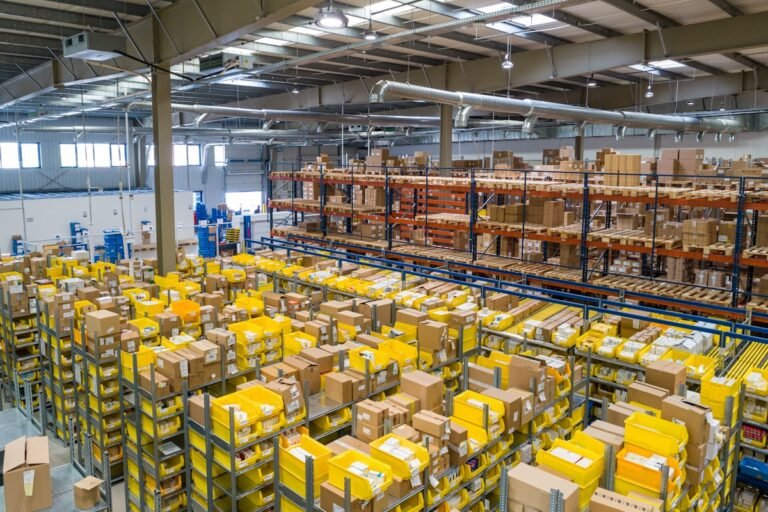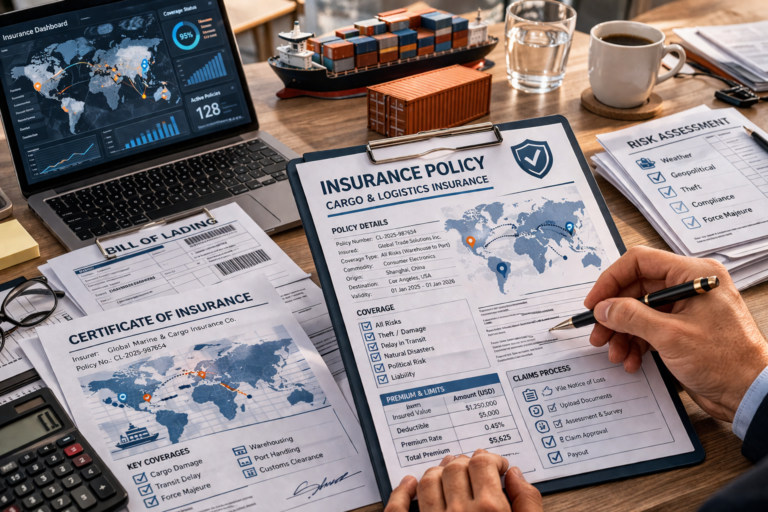


In the competitive world of international trade, managing logistics costs is crucial for maintaining profitability and gaining a competitive edge. Logistics expenses can quickly add up, impacting your bottom line if not managed effectively. Fortunately, there are several strategies businesses can adopt to reduce these costs without compromising on service quality. Here are some practical tips and tricks to help you streamline your logistics operations and save money.
Optimize Your Supply Chain Network
One of the most effective ways to reduce logistics costs is by optimizing your supply chain network. This involves analyzing your current network and identifying areas for improvement. Look for ways to consolidate shipments, reduce travel distances, and minimize handling. By strategically locating warehouses and distribution centers closer to your customers, you can reduce transportation costs and delivery times. Regularly reviewing and adjusting your supply chain network ensures it remains efficient and cost-effective.
Leverage Technology
Technology can be a powerful ally in reducing logistics costs. Implementing advanced logistics management software can help you track and manage your inventory, optimize routes, and improve warehouse operations. Real-time tracking systems provide visibility into your supply chain, allowing you to monitor shipments and address issues promptly. Additionally, adopting automation in warehouses can reduce labor costs and increase efficiency. Automated systems for sorting, packing, and inventory management streamline operations and reduce the risk of errors.
Negotiate with Carriers
Building strong relationships with carriers and negotiating favorable terms can lead to significant cost savings. Work with multiple carriers to compare rates and services, and use this information to negotiate better deals. Consider volume discounts, long-term contracts, and flexible shipping options. By establishing partnerships with carriers, you can secure more competitive rates and improve service levels. Regularly reviewing and renegotiating contracts ensures you are always getting the best possible terms.
Focus on Packaging Efficiency
Efficient packaging can have a substantial impact on logistics costs. By optimizing packaging, you can reduce weight and volume, leading to lower shipping costs. Use lightweight and durable materials to minimize the weight of your shipments. Consider adopting standardized packaging sizes to improve handling and storage efficiency. Additionally, using eco-friendly packaging can reduce waste and appeal to environmentally conscious customers. Investing in packaging design and innovation can lead to long-term cost savings and improved sustainability.
Implement Lean Inventory Management
Lean inventory management focuses on reducing excess inventory and minimizing waste. By adopting just-in-time (JIT) inventory practices, you can reduce storage costs and minimize the risk of obsolescence. Accurate demand forecasting and inventory planning are essential for maintaining optimal inventory levels. Use data analytics to predict demand patterns and adjust inventory accordingly. Regularly reviewing inventory turnover rates and identifying slow-moving items helps you make informed decisions about stock levels and replenishment.
Key Tips and Tricks for Reducing Logistics Costs
- Optimize Your Supply Chain Network: Strategically locate warehouses and distribution centers closer to customers to reduce transportation costs.
- Leverage Technology: Implement advanced logistics management software and real-time tracking systems to improve efficiency and visibility.
- Negotiate with Carriers: Build strong relationships with carriers and negotiate favorable terms for better rates and service levels.
- Focus on Packaging Efficiency: Optimize packaging to reduce weight and volume, and consider eco-friendly materials for sustainability.
- Implement Lean Inventory Management: Adopt just-in-time inventory practices to reduce excess stock and minimize storage costs.
Embrace Collaborative Logistics
Collaborative logistics involves working with other businesses to share resources and optimize logistics operations. By pooling shipments with other companies, you can achieve economies of scale and reduce transportation costs. Collaborative warehousing, where multiple businesses share storage space, can also lead to significant savings. Additionally, collaborating on technology and data sharing can enhance supply chain visibility and efficiency. Embracing collaborative logistics fosters innovation and creates opportunities for mutual benefits.
Monitor and Analyze Performance
Regularly monitoring and analyzing your logistics performance is essential for identifying areas for improvement and reducing costs. Key performance indicators (KPIs) such as transportation costs, delivery times, and order accuracy provide valuable insights into your logistics operations. Use data analytics to track performance trends and identify inefficiencies. Conduct regular audits of your logistics processes and implement continuous improvement initiatives. By staying proactive and data-driven, you can make informed decisions and optimize your logistics costs.
Reducing logistics costs is an ongoing challenge that requires strategic planning, continuous improvement, and a willingness to embrace new technologies and practices. By optimizing your supply chain network, leveraging technology, negotiating with carriers, focusing on packaging efficiency, implementing lean inventory management, and embracing collaborative logistics, you can achieve significant cost savings and enhance your overall logistics performance. As you implement these tips and tricks, remember to monitor and analyze your performance regularly to ensure sustained efficiency and cost-effectiveness. In the fast-paced world of international trade, staying ahead of the curve in logistics management can give your business a competitive edge and drive long-term success.