

Artificial intelligence (AI) is rapidly transforming various industries, and international trade is no exception. As global trade becomes increasingly complex, AI is emerging as a vital tool for enhancing efficiency, reducing costs, and providing valuable insights. The future of AI in international trade promises significant advancements that will reshape how businesses operate across borders. Here’s a look at how AI is poised to influence the future of international trade.
Enhancing Supply Chain Efficiency
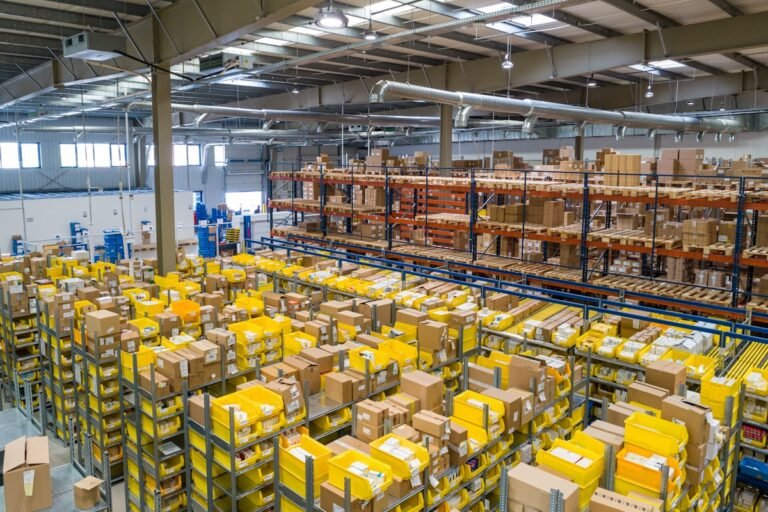
AI has the potential to revolutionize supply chain management by providing real-time data analysis and predictive insights. AI-powered systems can analyze vast amounts of data from various sources, such as weather patterns, traffic conditions, and geopolitical events, to predict potential disruptions and optimize routes. This capability ensures that goods are transported more efficiently, reducing delays and costs. In addition, AI can help businesses manage inventory more effectively by forecasting demand with greater accuracy, minimizing stockouts and overstock situations.
Automating Customs and Compliance
Navigating customs regulations and ensuring compliance can be a significant challenge in international trade. AI can streamline these processes by automating the analysis and submission of required documentation. AI algorithms can quickly review and verify documents, flagging any discrepancies or errors that need attention. This automation reduces the risk of human error, speeds up the customs clearance process, and ensures compliance with ever-changing regulations. Moreover, AI can assist in detecting fraudulent activities by analyzing transaction patterns and identifying anomalies, enhancing overall security.
Improving Trade Finance
Trade finance, a critical component of international trade, can benefit immensely from AI. AI can streamline the credit evaluation process by analyzing the financial health of businesses and predicting their creditworthiness. This analysis helps lenders make informed decisions more quickly and accurately, facilitating faster access to financing for businesses. Additionally, AI can optimize payment processing by predicting the most efficient payment routes and detecting potential delays, ensuring timely settlements and reducing transaction costs.
Enhancing Decision-Making with Predictive Analytics
AI’s ability to process and analyze large datasets provides businesses with valuable predictive analytics that can inform strategic decision-making. By analyzing market trends, consumer behavior, and competitive landscapes, AI can help businesses identify emerging opportunities and potential risks. These insights enable companies to make proactive decisions, such as entering new markets, adjusting pricing strategies, or diversifying product offerings. AI-driven analytics can also enhance negotiation strategies by providing detailed information about trading partners and market conditions.
Facilitating Language Translation and Communication
Effective communication is crucial in international trade, and language barriers can pose significant challenges. AI-powered language translation tools are becoming increasingly sophisticated, enabling real-time translation of documents, emails, and conversations. This capability facilitates smoother communication between trading partners from different linguistic backgrounds, reducing misunderstandings and enhancing collaboration. AI-driven communication tools also support cross-cultural negotiations by providing insights into cultural nuances and preferences.
Promoting Sustainable Trade Practices
Sustainability is becoming a priority in global trade, and AI can play a pivotal role in promoting sustainable practices. AI can optimize supply chain operations to reduce carbon footprints by suggesting more efficient routes and modes of transportation. Additionally, AI can help businesses monitor and manage their environmental impact by analyzing data related to energy consumption, waste production, and resource utilization. These insights enable companies to implement more sustainable practices and meet regulatory requirements, contributing to a greener global trade environment.
The future of AI in international trade is bright, with the potential to transform various aspects of how businesses operate across borders. By enhancing supply chain efficiency, automating customs and compliance, improving trade finance, providing predictive analytics, facilitating communication, and promoting sustainability, AI is set to drive significant advancements in the industry. As AI technology continues to evolve, its integration into international trade processes will become increasingly essential, offering businesses new opportunities for growth, efficiency, and competitiveness. Embracing AI is not just an option but a necessity for businesses looking to thrive in the dynamic and complex world of international trade.