
Blockchain technology is revolutionizing many industries, and global trade is no exception. As businesses and governments seek more efficient, transparent, and secure ways to conduct international trade, blockchain is emerging as a powerful solution. This innovative technology offers numerous benefits that address some of the most significant challenges in global trade. Here’s a look at how blockchain is transforming the landscape of international commerce.
Enhancing Transparency and Traceability
One of the most profound impacts of blockchain on global trade is its ability to enhance transparency and traceability. Traditional trade systems often suffer from a lack of visibility, making it difficult to track goods and verify transactions. Blockchain’s decentralized ledger system records every transaction in a transparent and immutable manner, providing all participants in the supply chain with a single, verifiable source of truth. This increased transparency helps reduce fraud, counterfeiting, and disputes, as all parties can access and verify the data independently.
For instance, in the food industry, blockchain can track products from farm to table, ensuring that consumers receive authentic and safe products. By scanning a QR code, consumers can access detailed information about the product’s origin, processing, and journey, fostering trust and accountability.
Streamlining Documentation and Reducing Costs
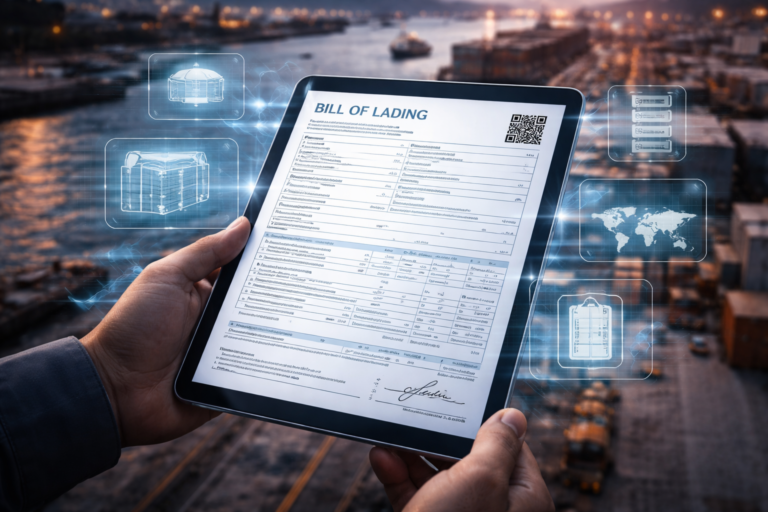
Documentation is a significant pain point in global trade, with traditional processes often being paper-based, time-consuming, and prone to errors. Blockchain technology can digitize and automate the documentation process, significantly reducing the time and cost associated with trade paperwork. Smart contracts, which are self-executing contracts with the terms directly written into code, can automatically enforce and verify contractual agreements, eliminating the need for intermediaries and reducing the risk of human error.
For example, a smart contract can automatically release payment to a supplier once goods are delivered and verified, without the need for manual intervention. This automation not only speeds up transactions but also reduces administrative costs and enhances operational efficiency.
Improving Supply Chain Management
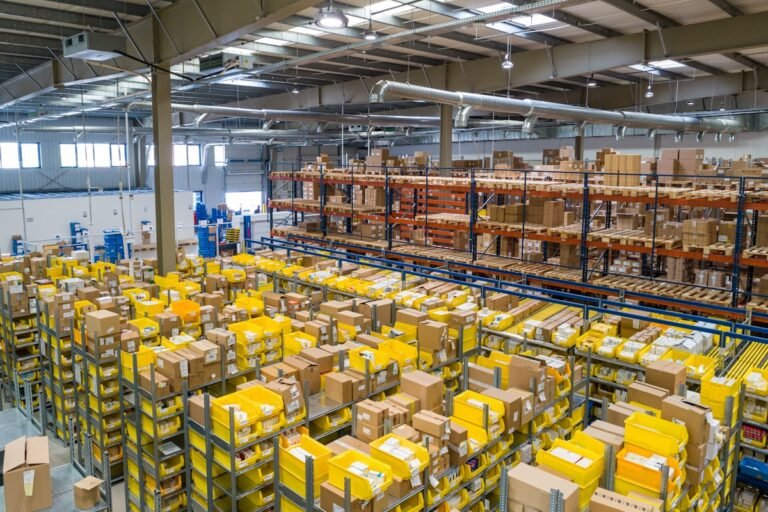
Effective supply chain management is crucial for global trade, and blockchain technology offers robust solutions to improve it. By providing real-time visibility into the movement of goods, blockchain helps businesses optimize their supply chains, reduce delays, and manage inventory more effectively. The ability to track goods at every stage of the supply chain also enhances security and reduces the risk of theft or loss.
Moreover, blockchain’s immutable records ensure that all transactions are securely documented, providing an accurate and auditable trail. This capability is particularly valuable in industries where regulatory compliance and quality assurance are critical, such as pharmaceuticals and electronics.
Facilitating Trade Finance
Trade finance, a critical component of international trade, can also benefit from blockchain technology. Traditional trade finance processes are often complex, involving multiple parties and requiring extensive documentation. Blockchain can streamline these processes by providing a secure and transparent platform for all parties involved. This reduces the time required for credit checks, approvals, and settlements.
Additionally, blockchain can facilitate new forms of trade finance, such as tokenized assets and digital letters of credit. These innovations can provide faster and more accessible financing options for businesses, particularly small and medium-sized enterprises (SMEs) that may struggle to obtain traditional financing.
Enhancing Security and Reducing Fraud
Security is a paramount concern in global trade, and blockchain’s decentralized nature provides robust security benefits. Each transaction on a blockchain is encrypted and linked to the previous transaction, making it nearly impossible to alter or tamper with the data. This high level of security helps protect sensitive information and reduces the risk of fraud and cyberattacks.
Furthermore, blockchain can enhance the verification process for trade participants, ensuring that only authorized entities can access the system. This reduces the risk of fraudulent activities and enhances the overall integrity of the trade ecosystem.
Blockchain technology is having a transformative impact on global trade, offering solutions to some of the most pressing challenges in the industry. By enhancing transparency and traceability, streamlining documentation, improving supply chain management, facilitating trade finance, and enhancing security, blockchain is paving the way for a more efficient, secure, and transparent global trade environment. As businesses and governments continue to adopt and integrate this technology, the benefits of blockchain in global trade will become increasingly apparent, driving innovation and growth in the international market. Embracing blockchain is not just a technological upgrade but a strategic move towards a more resilient and trustworthy global trade system.