

Welcome to 2024, where the logistics industry is undergoing a revolutionary transformation, thanks to a wave of technological innovations. If you’re involved in international trade, understanding these changes can give you a significant edge. Let’s explore how technology is reshaping logistics and what this means for businesses navigating the global market.
The Rise of Automation and Robotics in Logistics
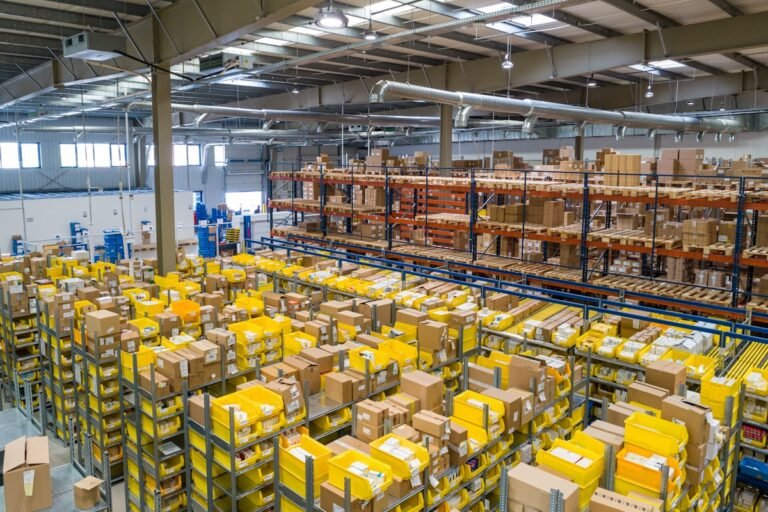
The logistics landscape today is vastly different from what it was just a few years ago. One of the most exciting advancements is the rise of automation and robotics. Picture warehouses buzzing with activity, not just from human workers but from robots efficiently sorting, packing, and moving goods. These robots are not only increasing efficiency but also reducing errors and cutting down operational costs. For businesses, this means faster order fulfillment and happier customers.
Artificial Intelligence: Optimizing Routes and Inventory Management
Artificial intelligence (AI) is another game-changer in logistics. AI-powered systems are optimizing routes, predicting demand, and managing inventory in ways that were unimaginable before. Imagine being able to predict which products will be in high demand next month and ensuring your supply chain is ready to meet that demand. This predictive power helps businesses reduce waste, manage inventory more effectively, and improve their bottom line.
IoT: Creating a More Connected and Transparent Supply Chain
The Internet of Things (IoT) is creating a more connected and transparent supply chain. IoT devices, like smart sensors, are being used to monitor the condition and location of goods in real-time. Think about perishable goods, for instance. With IoT, businesses can track the temperature and humidity levels of their shipments throughout the journey, ensuring that products arrive in perfect condition. This level of visibility is invaluable for maintaining quality and building trust with customers.
Blockchain Technology: Enhancing Security and Transparency
Blockchain technology is also making waves in logistics, particularly in enhancing security and transparency. Blockchain provides a tamper-proof record of transactions, which is crucial for tracking the movement of goods and ensuring the authenticity of products. For businesses, this means greater transparency and the ability to quickly resolve disputes or verify the origins of their products. It’s like having an unalterable ledger that keeps everyone honest and accountable.
Autonomous Vehicles and Drones: The Future of Delivery
The rise of autonomous vehicles and drones is pushing the boundaries of what’s possible in logistics. Autonomous trucks are beginning to hit the roads, promising to reduce the need for human drivers and increase delivery efficiency. Meanwhile, drones are being tested for last-mile deliveries, bringing the prospect of rapid, on-demand delivery closer to reality. These technologies could significantly reduce delivery times and costs, especially in hard-to-reach areas.
Sustainable Logistics Practices: Reducing Environmental Impact
Sustainability is another critical area where technology is making a significant impact. As businesses and consumers become more environmentally conscious, the logistics industry is adopting greener practices. Electric and hybrid vehicles are becoming more common in delivery fleets, reducing carbon emissions. Additionally, smart logistics systems are optimizing routes to minimize fuel consumption and lower the environmental footprint of deliveries. For businesses, embracing these sustainable practices isn’t just good for the planet; it’s also a way to appeal to eco-conscious customers and differentiate themselves in a competitive market.
Integrating Advanced Technologies into Existing Systems
The digital transformation of logistics is not just about adopting new technologies; it’s also about integrating these technologies seamlessly into existing systems. Many companies are investing in sophisticated logistics management software that brings together various elements of the supply chain into a cohesive, manageable system. This integration allows for better coordination, improved decision-making, and a more responsive supply chain.
Overcoming Challenges and Reaping the Benefits
Of course, with all these advancements, there are challenges. Implementing new technologies can be costly and require significant changes in infrastructure and processes. There’s also the need for skilled personnel who can manage and maintain these advanced systems. However, the benefits far outweigh the challenges, and businesses that invest in innovative logistics technologies are likely to see substantial returns in terms of efficiency, cost savings, and customer satisfaction.
As we move further into 2024, the pace of innovation in logistics shows no signs of slowing down. For businesses, staying ahead of these trends and adopting the right technologies will be key to thriving in the increasingly competitive global market. Whether it’s through automation, AI, IoT, blockchain, or sustainable practices, the future of logistics is bright and full of opportunities. So, keep an eye on these innovations—they’re shaping the future of logistics and paving the way for a more efficient, transparent, and sustainable world of trade.