

Engaging in international trade presents numerous opportunities for growth, but it also comes with a variety of financial risks. Managing these risks is crucial for maintaining stability and ensuring the success of cross-border transactions. From fluctuating exchange rates to the potential for non-payment, businesses must navigate a complex landscape to protect their interests. Let’s explore some effective strategies for managing financial risks in international trade.
Currency Exchange Risk
One of the primary financial risks in international trade is currency exchange risk, which arises from fluctuations in exchange rates. These fluctuations can significantly impact the cost of transactions and the profitability of trade deals. To manage this risk, businesses can use hedging strategies such as forward contracts, options, and swaps.
Forward contracts allow businesses to lock in exchange rates for future transactions, providing certainty and protecting against adverse movements in currency values. Options give businesses the right, but not the obligation, to exchange currencies at a predetermined rate, offering flexibility in volatile markets. Swaps involve exchanging cash flows in different currencies, helping businesses manage long-term exposure to currency risk.
Credit Risk
Credit risk refers to the possibility that an importer will fail to pay for goods or services received. This risk can be particularly pronounced in international trade due to the complexities of cross-border transactions and the lack of visibility into the financial health of foreign buyers. To mitigate credit risk, businesses can use several strategies.
Letters of credit (LC) are a common tool that provides a payment guarantee from the importer’s bank, ensuring that the exporter receives payment upon fulfilling contractual obligations. Trade credit insurance is another effective measure, protecting exporters against non-payment by covering a range of risks, including buyer insolvency and political instability. Conducting thorough credit assessments and due diligence on potential buyers can also help businesses gauge the reliability of their trading partners.
Political and Economic Risk
Political and economic instability in foreign markets can pose significant risks to international trade. These risks include changes in government policies, expropriation of assets, and disruptions caused by conflict or social unrest. To manage political and economic risks, businesses can use various approaches.
Political risk insurance provides coverage against losses resulting from political events, such as nationalization, confiscation, and political violence. Engaging in diversification by spreading trade activities across multiple markets can reduce dependence on any single country and mitigate the impact of adverse political developments. Additionally, staying informed about the political and economic climate in key markets and working with local partners who understand the local landscape can enhance risk management efforts.
Transportation and Logistics Risk
The transportation of goods across borders involves several risks, including damage, loss, and delays. These risks can disrupt supply chains and lead to financial losses. Effective risk management in transportation and logistics is essential for maintaining smooth operations.
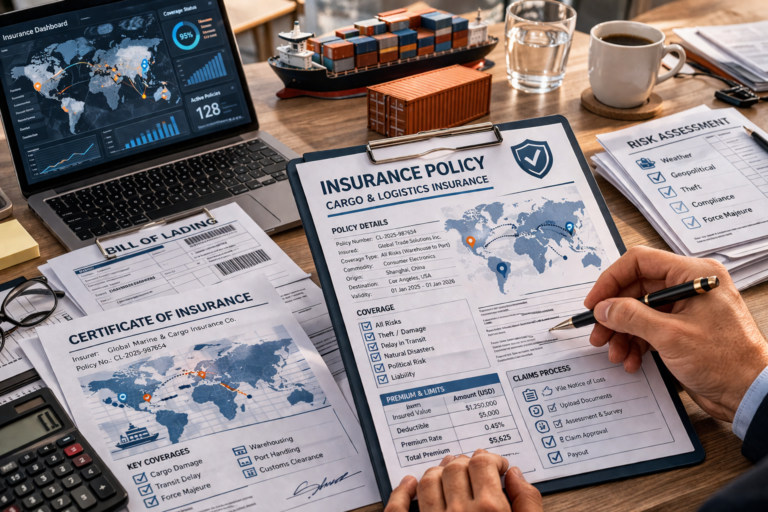
Cargo insurance is a critical tool for protecting against the financial impact of damaged or lost goods during transit. This insurance covers various risks, including accidents, theft, and natural disasters. Implementing robust logistics planning and working with reliable carriers can also help minimize risks. Tracking technologies, such as GPS and RFID, provide real-time visibility into the location and condition of shipments, allowing businesses to address issues promptly and reduce the likelihood of losses.
Compliance and Regulatory Risk
Compliance with international trade regulations and standards is essential to avoid penalties, delays, and legal issues. Navigating the complex web of customs regulations, export controls, and trade sanctions requires diligent attention to detail and a thorough understanding of the regulatory environment.
Engaging in comprehensive compliance training for staff involved in international trade ensures that everyone is aware of the relevant regulations and procedures. Working with customs brokers and trade compliance experts can help businesses navigate regulatory requirements and maintain compliance. Regular audits and reviews of compliance practices can identify potential areas of improvement and ensure adherence to international standards.
Managing financial risks in international trade is essential for safeguarding business interests and ensuring the smooth execution of cross-border transactions. By employing strategies such as hedging against currency fluctuations, securing letters of credit, obtaining trade credit and political risk insurance, and implementing robust logistics and compliance practices, businesses can mitigate the various risks associated with international trade. As the global market continues to evolve, staying informed and proactive in managing these risks will be key to achieving long-term success and stability in international operations.