

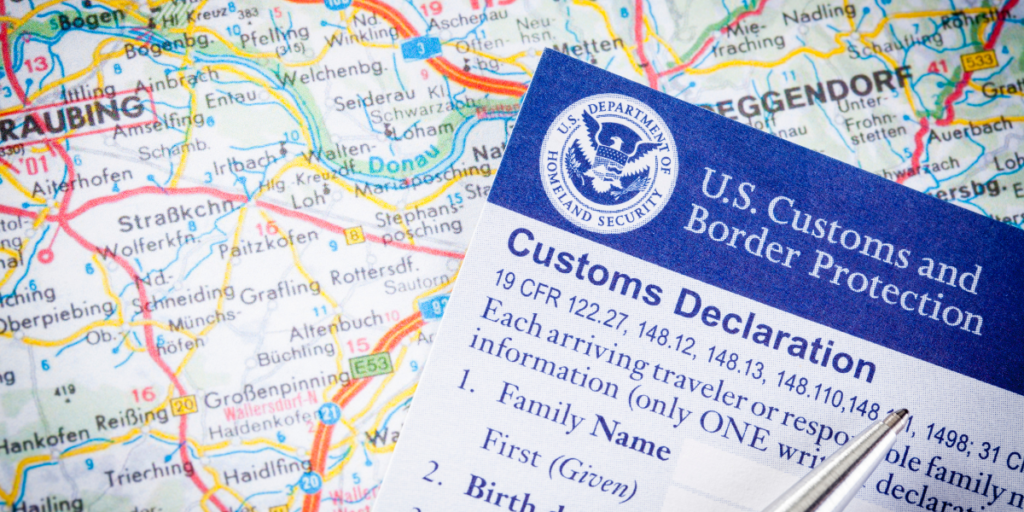
Entering the world of international trade can be both exciting and challenging, especially when it comes to navigating customs regulations. These regulations are crucial for ensuring that goods move smoothly across borders and comply with the laws of the importing and exporting countries. For beginners, understanding and adhering to these rules can seem daunting, but with the right knowledge and preparation, it becomes manageable. Here’s a comprehensive guide to help you get started.
Understanding Customs Regulations
Customs regulations are the rules governing the import and export of goods. They vary by country and are designed to protect national security, public health, and local industries. These regulations cover a wide range of requirements, including documentation, duties and taxes, product standards, and compliance with trade agreements. Knowing the specific regulations for each country you trade with is essential to avoid delays, fines, and other complications.
Documentation and Paperwork
One of the most critical aspects of customs compliance is proper documentation. Accurate and complete documentation ensures that your goods are correctly classified, duties and taxes are appropriately assessed, and shipments are cleared without unnecessary delays. Key documents typically required include the commercial invoice, packing list, bill of lading, and certificates of origin. Each document serves a specific purpose, such as detailing the contents and value of the shipment, proving ownership, and verifying the country of origin of the goods.
Classification and Tariff Codes
Goods must be classified according to an international system known as the Harmonized System (HS). This system assigns a unique code to every product, which determines the applicable duties and taxes. Correct classification is crucial because errors can lead to overpayment or underpayment of duties, penalties, and shipment delays. Understanding how to classify your products correctly and ensuring that all necessary information is included in the documentation will help streamline the customs clearance process.
Duties, Taxes, and Fees
Import duties, taxes, and fees are levied by governments to generate revenue and protect local industries. These charges vary based on the type of goods, their value, and the country of origin. It’s essential to be aware of the specific duties and taxes applicable to your products and factor these costs into your pricing strategy. Some countries offer preferential tariff rates under free trade agreements, which can reduce the cost of importing goods. Familiarize yourself with these agreements and determine whether your goods qualify for preferential treatment.
Compliance with Trade Regulations
Customs compliance goes beyond just documentation and duties; it also involves adhering to various trade regulations. These can include product standards, labeling requirements, and restrictions on certain goods. For example, some products may need to meet specific safety or environmental standards, while others may be subject to quotas or bans. Ensuring compliance with these regulations is crucial to avoid penalties and ensure that your goods can enter the destination country without issues.
Working with Customs Brokers
For many businesses, especially those new to international trade, working with a customs broker can be invaluable. Customs brokers are licensed professionals who specialize in navigating customs regulations and facilitating the import and export process. They can help with document preparation, classification of goods, calculating duties and taxes, and ensuring compliance with all relevant regulations. Partnering with a reliable customs broker can save time, reduce the risk of errors, and provide peace of mind.
Leveraging Technology for Compliance
Technology plays a significant role in modern customs compliance. Electronic data interchange (EDI) systems, for example, enable the electronic exchange of documents between businesses and customs authorities, speeding up the clearance process. Many countries also offer online portals for submitting customs declarations, tracking shipments, and accessing regulatory information. Utilizing these technological tools can streamline your operations, reduce paperwork, and ensure timely compliance with customs requirements.
Navigating customs regulations may seem complex for beginners, but with the right approach and resources, it becomes manageable. Understanding the importance of accurate documentation, correct classification, and compliance with trade regulations is crucial for smooth international trade operations. Whether you choose to handle customs procedures in-house or work with a customs broker, staying informed and proactive will help you avoid common pitfalls and ensure your goods move efficiently across borders. As you gain experience, navigating customs regulations will become a routine part of your business strategy, enabling you to expand your international trade activities with confidence.