
Key Points
- The adoption of electric vehicles in logistics is driven by the need for sustainability, lower operational costs, and improved delivery efficiency.
- EVs offer benefits such as reduced maintenance, lower fuel costs, and regenerative braking, which are particularly advantageous for urban and last-mile deliveries.
- Challenges such as high initial costs and limited range are being addressed through advancements in technology and infrastructure, paving the way for broader adoption in the logistics industry.
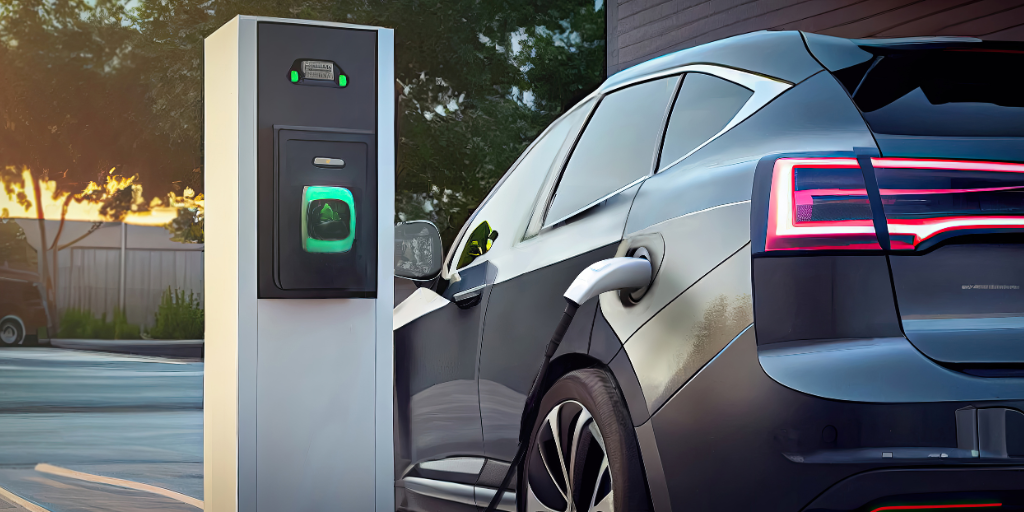
In the fast-paced world of logistics and supply chain management, efficiency is king. As companies strive to meet increasing consumer demands for fast and reliable delivery, one technological innovation is making a significant impact: the adoption of electric vehicles (EVs) in delivery fleets. Electric vehicles are not only helping companies reduce their carbon footprint but also improving delivery efficiency in ways that traditional internal combustion engine (ICE) vehicles cannot match. Here’s how EVs are revolutionizing the logistics industry.
The Rise of Electric Vehicles in Logistics
Electric vehicles are no longer just a novelty—they are becoming a mainstay in logistics fleets around the world. As companies face mounting pressure to reduce emissions and meet sustainability goals, the shift to electric vehicles offers a compelling solution. According to recent industry reports, the global market for electric commercial vehicles is expected to grow significantly in the coming years, driven by advancements in battery technology, increasing government incentives, and rising fuel costs for traditional vehicles.
For logistics companies, the adoption of EVs presents multiple benefits beyond environmental sustainability. These benefits include lower operational costs, reduced maintenance needs, and the ability to operate in urban areas with strict emissions regulations. As a result, companies that invest in electric vehicles are finding themselves better positioned to meet both regulatory requirements and customer expectations.
Enhancing Delivery Efficiency with EVs
One of the most significant advantages of electric vehicles in logistics is their ability to improve delivery efficiency. EVs are well-suited for urban and last-mile delivery operations, where routes are short, stop-and-go traffic is common, and emissions regulations are often stringent. Here are some key ways in which EVs enhance delivery efficiency:
- Reduced Downtime and Maintenance: Electric vehicles have fewer moving parts compared to traditional ICE vehicles, resulting in less wear and tear and reduced maintenance needs. This translates to less downtime for repairs and maintenance, allowing logistics companies to keep their fleets on the road longer and deliver goods more reliably.
- Lower Operating Costs: The cost of electricity is generally lower than that of gasoline or diesel, and electric vehicles are more energy-efficient overall. This means that logistics companies can reduce their fuel costs, leading to significant savings over time. These savings can be reinvested into other areas of the business, such as expanding delivery networks or improving customer service.
- Regenerative Braking: EVs utilize regenerative braking, a technology that recaptures energy typically lost during braking and uses it to recharge the battery. This feature not only extends the vehicle’s range but also makes EVs particularly effective in urban environments with frequent stops, where regenerative braking can substantially boost efficiency .
- Silent Operation: EVs operate much more quietly than their ICE counterparts, which is particularly advantageous for nighttime deliveries in residential areas. This allows for more flexible delivery schedules without disturbing residents, thereby enhancing customer satisfaction and operational efficiency.





Overcoming Challenges
While the benefits of electric vehicles in logistics are clear, there are still challenges to widespread adoption. One of the main obstacles is the initial cost of purchasing electric vehicles, which can be higher than that of traditional vehicles. However, the long-term savings in fuel and maintenance often offset this initial investment. Additionally, the availability of charging infrastructure remains a concern, though this is improving rapidly as governments and private companies invest in expanding the charging network.
Another challenge is the range limitation of current EVs, which may not be sufficient for long-haul deliveries. However, advancements in battery technology are expected to increase the range of electric vehicles, making them more viable for a broader range of logistics operations in the near future.
The Future of Electric Vehicles in Logistics
As the logistics and supply chain industry continues to evolve, the role of electric vehicles is set to grow even more prominent. With ongoing advancements in technology, the expansion of charging infrastructure, and increasing regulatory support for green transportation, electric vehicles are poised to become a standard component of delivery fleets around the world.
For logistics companies, the shift to electric vehicles represents not only a way to meet sustainability goals but also an opportunity to enhance operational efficiency, reduce costs, and stay competitive in an increasingly demanding market. As more companies embrace this technology, the future of logistics will be cleaner, quieter, and more efficient than ever before.